


How to choose the right compression hosiery
How to Choose the Right Compression Class
The appropriate compression class depends on the severity of your venous or lymphatic condition. The more advanced the condition, the higher the level of compression that may be required. Since the diagnosis should be made by a healthcare professional, the recommended compression class should also be determined by your doctor.
In some situations, compression stockings can be worn without a doctor’s prescription. This generally applies to Class 1 compression or, in certain cases, Class 2 compression, when the goal is prevention or everyday support for healthy leg veins rather than treatment.
Class 1 compression is commonly recommended for:
- tired or heavy legs;
- mild leg pain or discomfort;
- swelling that disappears after a night’s rest;
- prolonged sitting or standing;
- long flights or road trips.
For these situations, Class 1 compression is usually sufficient.
 Support stockings (also referred to as preventive stockings) are another option. They provide a lower level of pressure than Class 1 medical compression stockings, and the pressure is not distributed in the same graduated manner. As a result, they are intended for preventive use rather than for the treatment of venous conditions. For therapeutic purposes, Class 1 medical compression stockings remain the preferred choice, as they provide the full benefits of graduated compression.
During pregnancy, when the leg veins require additional support, Class 1 or Class 2 medical compression stockings are recommended. The appropriate class depends on the severity of swelling, leg heaviness, and the presence of visible varicose veins. Whenever possible, consult your healthcare provider to determine the most suitable option. In many cases, however, either Class 1 or Class 2 stockings can provide effective support.
What to Look for When Choosing Compression Hosiery
There are two key factors to consider when selecting compression hosiery:
- Therapeutic effectiveness
- Wearing comfort
Both are equally important, as even the most effective compression garment will not provide the desired benefits if it is uncomfortable to wear.
1. Therapeutic Effectiveness
The therapeutic properties of compression hosiery are regulated by internationally recognized quality standards. If a product is certified according to one of these standards, you can be confident that it delivers the required level of graduated compression.
One of the most widely recognized standards is the RAL-GZ 387 certification, developed in Germany and trusted by healthcare professionals around the world. Certified products display the RAL quality mark on the packaging and product label.
If a compression garment does not carry this certification, its therapeutic performance cannot be guaranteed.
2. Wearing Comfort
The effectiveness of compression therapy depends not only on the medical performance of the garment but also on how comfortable it is to wear every day.
Several factors determine wearing comfort.
Proper Fit
Compression stockings should closely match the natural shape of your legs. A properly fitted garment distributes pressure evenly and minimizes discomfort. If the fit is incorrect, excessive pressure may occur around the ankle, knee, or other areas.
Sizing systems vary between manufacturers, so the same person may fit perfectly into one brand but not another. Trying different brands may help you find the best fit.
If your measurements fall between two sizes, it is generally advisable to consider another product or consult a specialist rather than compromise on sizing. Unlike regular clothing or footwear, compression hosiery does not stretch to fit over time. If it feels uncomfortable from the start, it is unlikely to become more comfortable with wear.
Manufacturers with more detailed sizing systems usually provide a more precise fit, resulting in greater comfort and more effective compression therapy.
Breathability
Breathability is another essential factor, especially if you wear compression hosiery for extended periods.
High-quality compression garments are made with microfiber yarns, which allow moisture to evaporate efficiently, helping keep the skin dry and comfortable throughout the day.
Compared to traditional materials such as cotton, microfiber provides:
- improved breathability;
- better moisture management;
- greater softness;
- lighter weight;
- enhanced comfort for sensitive skin.
Generally, the higher the microfiber content, the more comfortable the garment will be—particularly in warm weather.
 Appearance
Appearance also matters. Compression hosiery should complement your personal style, making it easier to wear consistently.
Modern manufacturers design their products to resemble everyday hosiery by offering fashionable colors, textures, and finishes. While this aspect tends to be more important for women, many men’s products also feature contemporary, discreet designs.
The Ideal Compression Hosiery
The best compression hosiery combines:
- proven therapeutic effectiveness;
- an accurate, comfortable fit;
- excellent breathability;
- an attractive appearance.
When all these factors come together, compression therapy becomes both comfortable and effective, encouraging consistent daily wear and better treatment outcomes.
Why Do Some Compression Stockings Have an Open Toe?
Open-toe compression stockings are typically preferred during the warmer months, while closed-toe styles are more commonly worn in cooler weather.
In most cases, the toe section does not contribute to the therapeutic compression provided by the stocking, except for certain specialized medical products. Therefore, choosing between an open or closed toe is largely a matter of personal preference, comfort, and style.
What Is the Difference Between Class 1 and Class 2 Compression Stockings?
In addition to compression classes, medical compression hosiery also differs in elasticity, which affects how the garment performs during movement.
More elastic compression hosiery is designed for mild to moderate venous conditions and is available in Class 1 and Class 2. These are the most commonly used products and are often designed to resemble regular stockings, with a variety of colors, textures, and levels of transparency.
Less elastic compression hosiery provides higher working pressure and is intended for more advanced venous disorders and lymphedema. It is available in Class 2, Class 3, and Class 4, but because of its construction, it is generally less decorative and more medical in appearance.
When comparing Class 1 and Class 2 elastic compression stockings, the primary difference is the amount of compression they provide. However, because the material is highly elastic, the difference in how they feel when worn is often minimal. In some situations, either compression class may be appropriate, making the transition between Class 1 and Class 2 relatively gradual.
Whenever possible, consult your healthcare provider to determine which compression class is best suited to your condition.
How to Measure for Compression Stockings
Selecting the correct size begins with taking accurate leg measurements and comparing them with the manufacturer’s sizing chart. Although the process may seem straightforward, proper measuring requires attention to detail.
- How to Take Measurements
Measure your legs when swelling is at its minimum—ideally in the morning after waking up or after resting with your legs elevated for at least 30 minutes. - Use a soft measuring tape, not a rigid tape measure.
- The tape should fit snugly against the skin without being too tight or too loose.
- Follow the measuring points shown in the manufacturer’s sizing guide.
- Measurements below the knee can be taken while sitting, while thigh measurements should be taken standing.
- Whenever possible, ask someone else to take your measurements, as this significantly reduces the risk of errors.
- Always measure both legs, since they may require different sizes.
- If possible, have your measurements taken or verified by a trained specialist.
- Choosing the Correct Size
Start by comparing the three primary measurements:
- ankle circumference;
- widest part of the calf;
- upper thigh circumference.
These measurements determine the preliminary size. The remaining measurements are used to confirm that the selected size provides the best fit.
If your measurements fall between two sizes, it is generally recommended to choose the larger size, as compression garments that are too small are more likely to cause discomfort and reduce compliance with treatment.
Because proper sizing is essential for both comfort and therapeutic effectiveness, consulting a specialist is strongly recommended whenever possible—even if measurements are taken at home.
 How Should Compression Stockings Be Worn?
Compression stockings are designed to match the natural shape of the leg, taking into account both its length and circumference. For compression therapy to be effective, the stocking must fit correctly.
Here are a few simple checks:
- The heel should sit in the correct position and should not be twisted.
- Knee-high stockings should end just below the knee. If they cover the knee, they are too long; if they end on the calf muscle, they are too short.
- The stocking should not be twisted anywhere along the leg, as this may cause discomfort and affect compression performance.
If the stocking becomes twisted, avoid pulling it into place with bare hands, as this may damage the fabric. Instead, use compression gloves or clean rubber household gloves to adjust the garment safely.
How Often Should Compression Stockings Be Worn?
Compression stockings should be worn for the entire period recommended by your healthcare provider.
Removing the stockings temporarily also interrupts the therapeutic effect. If wearing compression hosiery during hot weather becomes uncomfortable, it is still beneficial to wear it for at least part of the day rather than not wearing it at all.
High-quality compression garments made with breathable microfiber remain comfortable even in warm weather. Venotonia Soft compression hosiery contains microfiber fibers that improve breathability and help keep your legs comfortable throughout the summer.
How Can You Tell If Compression Stockings Are Too Small?
There are several signs that compression stockings may be too small or incorrectly sized:
- They are extremely difficult or impossible to put on.
- They feel excessively tight across the instep or behind the knee immediately after putting them on.
- They create excessive pressure around the thigh and tend to slide down while walking.
(Keep in mind that stockings may also slide down for reasons other than incorrect sizing.)
When compression stockings are correctly selected and properly fitted, they should provide firm support without causing significant discomfort. Proper sizing is essential for both comfort and the effectiveness of compression therapy.
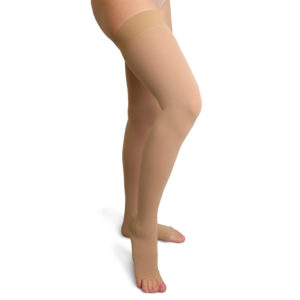 Beige Compression Stockings 2 KKl
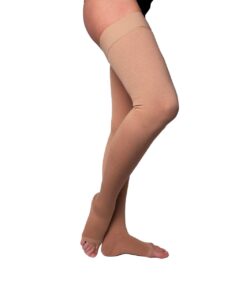 Beige compression stockings with high cotton content, 2 CCL
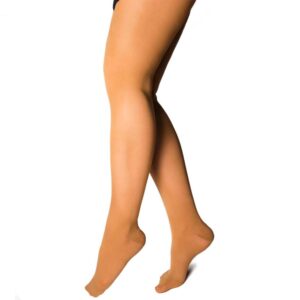 Beige compression tights 1 KCl
 28.08.2023